Bucky Font: Your Practical Partner for Authentic Branding
Running a small business means every detail matters, especially when you're competing for attention in a crowded market. Your branding—the fonts, colors, and imagery you use—is often the first conversation you have with a potential customer. It tells them who you are before you even get a chance to speak. Today, I want to talk about a tool I've found incredibly useful for creating that warm, professional, and consistent look: the Bucky font.
What Is Bucky and Why Does Its Style Matter?
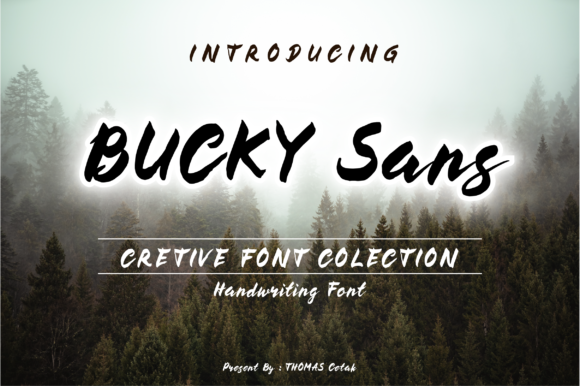
Bucky Sans is a brush pen handwritten font. It has a retro, casual, and timeless feel. Think of the friendly, approachable handwriting on a cherished postcard or a well-loved recipe. It's not overly formal or stiff; it's human and genuine. This style brings a specific personality and mood to your materials: warmth, creativity, and authenticity. For businesses that want to feel personal and handmade, or those aiming for a modern yet classic aesthetic, Bucky’s visual appeal is a direct path to that goal.
Making Your Brand Consistent Across Every Customer Touchpoint
Brand consistency builds trust. When a customer sees your logo on your website, then receives a product with a label that looks completely different, it creates confusion. A consistent typeface acts as a visual anchor. Using Bucky across your key materials creates a seamless experience that makes your business look professional and recognizable.
Here’s how Bucky can be applied to real-world business materials:
- Logo & Business Cards: Bucky is excellent for creating a memorable logo or accenting your business name on a card. Its unique character ensures you stand out.
- Product Labels & Packaging: For handmade candles, artisanal foods, beauty products, or specialty coffee, Bucky on your label conveys care and craftsmanship.
- Menus & Flyers: A café, bakery, or boutique can use Bucky for menu headings or flyer titles to add a touch of personality without sacrificing clarity.
- Website Banners & Social Media: Use Bucky in your website hero sections or as a headline font on Instagram posts, Pinterest graphics, and digital ads. It draws the eye and sets a creative tone.
- Thank-You Cards & Stickers: Small touches matter. A thank-you note or a free sticker with your brand name in Bucky reinforces that personal connection.
Practical Examples: Where Bucky Brings a Brand to Life
Let’s get specific. Imagine a local bakery. Using Bucky for the shop name on the window sign, the heading on their daily menu board, and the logo on their box of pastries creates a cohesive, welcoming brand story. For a coaching business or online service provider, Bucky used in website headlines and keynote presentation titles can make a digital service feel more approachable and human. An online shop selling handmade goods can use Bucky on product packaging and as an accent font in their Shopify store banner, instantly signaling "handcrafted" to their customers.
Where to Use Bucky: Display, Accent, and Logo
Bucky is a display font. Its strength is in headlines, logos, and accents where you want to make a strong stylistic impression. It’s best used for short phrases, business names, or important titles. While it’s readable, using it for long paragraphs of body text on your website or product instructions is not ideal. Instead, let Bucky shine as your primary brand voice—on your logo, packaging headlines, and social media banners—and pair it with a more readable font for supporting text.
Ensuring Readability in Real Settings
Always test your fonts in context. Before committing, see how Bucky looks on a small product label at actual print size. Check how a headline in Bucky appears on a mobile screen or as a thumbnail on a social media platform. Ensure there’s enough contrast and that the unique brush strokes are clear and not muddled. This practical test prevents surprises and ensures your investment in a premium font like Bucky pays off everywhere.
Simple and Effective Font Pairing Ideas
A decorative font like Bucky needs a practical partner. The goal is balance. Pair Bucky with a clean, neutral sans serif font for body text on your website or product descriptions. This combination lets Bucky’s personality lead while ensuring all your information is easy to read. Alternatively, for a more classic feel, you could pair it with a simple serif font. This pairing works well for brands wanting a blend of creative flair and traditional reliability.
A Crucial Step: Checking Commercial Font Licensing
This is a must-do for any business owner. Before you use Bucky on physical products, packaging, client work, merchandise, or digital downloads you sell, verify its commercial licensing. Most font marketplaces clearly state whether a font like Bucky can be used for commercial purposes. Using a font without the proper license can lead to legal issues. Always ensure your design assets, including your typeface, are fully licensed for your business needs. This protects your brand identity and your business.
Integrating Bucky Into Your Existing Brand Identity
If you already have branding elements, introducing a new font like Bucky doesn’t mean a full overhaul. Start small. Use it for a new campaign’s social media graphics. Update your product labels for a new line. Refresh your website banner. See how it complements your existing colors and imagery. This gradual approach allows you to gauge customer reaction and refine your use without overwhelming your design process.
Choosing the right font is a practical business decision. It’s an investment in how your customers perceive you. Bucky, with its retro casual charm and handwritten authenticity, offers a way to inject consistent personality into every customer-facing material you create. From the label on your product to the banner on your site, it helps your small business look not just creative, but coherent, trustworthy, and ready to make a lasting impression.